
 FA+
FA+ Shop
Shop
332
Views
Views
17
Favorites
Favorites
Category
Artwork (Traditional) / General Furry Art
Species Housecat
Size 1280 x 1001
File Size 207.4 kB
Report this content
More from Bardawolf


Listed in Folders


Anatomy's a little weird, I know.
In the harbors of just about every major city in Lunana live an ethnic group totally unique from the rest of the country. Their ethnic group is called Kaklak(which in the old Lunakan language means "Boat Dweller"). The largest population live in Bai-O in about a dozen floating villages and numbering something along the lines of 50,000 people. Being physically isolated by their lifestyle they have their own accent, religious practices and even language. They live with next to no modern conveniences or government help, and spend most of their lives on the water. Fishing is their main livelihood, however they also build boats and their craftsmanship is unmatched.
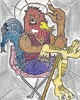
Here a father is about to start teaching his son their people's ancient technique for catching bait fish. Kaklak Fishing techniques have changed very little in hundreds of years. The most common is to hang a net between two sailboats in the water. The catch is divided up later between the two crews. Very simple technique, but effective.
Kaklaks were traditionally nomadic, sailing from port to port to catch and sell fish. However, for the past hundred years or so most have lived permanently in the harbors. There is a large offshoot however that are still nomadic, insisting on keeping their lifestyle as traditional as possible. Both groups get along well however, and the nomads are openly welcomed into Kaklak homes during their stays in the harbors when the demand for seafood goes up.
In the harbors of just about every major city in Lunana live an ethnic group totally unique from the rest of the country. Their ethnic group is called Kaklak(which in the old Lunakan language means "Boat Dweller"). The largest population live in Bai-O in about a dozen floating villages and numbering something along the lines of 50,000 people. Being physically isolated by their lifestyle they have their own accent, religious practices and even language. They live with next to no modern conveniences or government help, and spend most of their lives on the water. Fishing is their main livelihood, however they also build boats and their craftsmanship is unmatched.
Here a father is about to start teaching his son their people's ancient technique for catching bait fish. Kaklak Fishing techniques have changed very little in hundreds of years. The most common is to hang a net between two sailboats in the water. The catch is divided up later between the two crews. Very simple technique, but effective.
Kaklaks were traditionally nomadic, sailing from port to port to catch and sell fish. However, for the past hundred years or so most have lived permanently in the harbors. There is a large offshoot however that are still nomadic, insisting on keeping their lifestyle as traditional as possible. Both groups get along well however, and the nomads are openly welcomed into Kaklak homes during their stays in the harbors when the demand for seafood goes up.
Category Artwork (Traditional) / General Furry Art
Species Housecat
Size 1280 x 1001px
File Size 207.4 kB






Comments