
 FA+
FA+ Shop
Shop
514
Views
Views
9
Favorites
Favorites
Category
Photography / Miscellaneous
Species Unspecified / Any
Size 2000 x 992
File Size 1.1 MB
Report this content
More from Cr0nicallyInsane


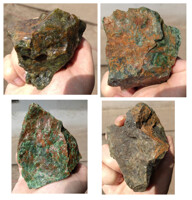


One of my new additions that quickly rose up among favorites. At first I thought it was either a chalcedony or "dehydrated" chrysoprase, which are apparently common in Serbia...but after noticing how lightweight it is for such a big rock, I decided to do a little scratch test. My suspicions were true, as this turned out to be a common opal!
So what's the difference between chalcedony and common opal?
Visually, there's very little if any indicators that could differentiate between them, as common opal lacks the iconic "opalescence" that can be found in precious opals, and since both chalcedony and opal are forms of silica, they tend to look alike. There are two factors that help differentiate between them:
-Chalcedony is denser and heavier, while opal is more lightweight.
-Chalcedony ranks 6-7 on Mohs scale of hardness, while opal is 5-5.5, which means trying to scratch it with quartz or chalcedony will leave a noticeable scratch mark.
So what's the difference between chalcedony and common opal?
Visually, there's very little if any indicators that could differentiate between them, as common opal lacks the iconic "opalescence" that can be found in precious opals, and since both chalcedony and opal are forms of silica, they tend to look alike. There are two factors that help differentiate between them:
-Chalcedony is denser and heavier, while opal is more lightweight.
-Chalcedony ranks 6-7 on Mohs scale of hardness, while opal is 5-5.5, which means trying to scratch it with quartz or chalcedony will leave a noticeable scratch mark.
Category Photography / Miscellaneous
Species Unspecified / Any
Size 2000 x 992px
File Size 1.1 MB




Comments