
 FA+
FA+ Shop
Shop
361
Views
Views
17
Favorites
Favorites
Category
Artwork (Traditional) / Animal related (non-anthro)
Species Dog (Other)
Size 819 x 1280
File Size 306 kB
Report this content
More from Keida


Listed in Folders

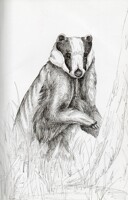
Spirit Guide of the day is Dog! Dogs have many species and should be studied for each specific breed for detailed spirit guide information. For this, a general foundation of information for dog will be provided. The dog illustrated here is a personal image of my own dalmatian named Athos who was a constant, brilliant companion and will forever remain in my heart. When Dog shows as a guide, it generally means that you should remain determined even in the face of negativity and to keep your beliefs held strong. Show your love and appreciation of those you hold dear in creative ways while strengthening the bonds of your loyalty to them. This may be an important time to volunteer for something just to help others. The Dog spirit guide is known for it's connection with protection and faithfulness. Each breed has it's own properties and mixed breeds often hold multiple meanings. Even the personality of an individual dog can be important to study in order to gain understanding of the guide's message. In India, the dog was a symbol of caste systems where small groups can become something great together. Native Americans often had dogs for protection and to warn of danger. In Greece, dogs were companions and guardians of the place of the dead. Dogs can signify the need to show love, stubbornness, and dedication. People who connect with Dog are quite loyal to not just family, but friends, community, and even their work place. These individuals often thrive when working or living in groups and try to help others whenever possible. They often are the first to help and love to show kindness, but hold an inner wildness that needs to be expressed every so often.
Dogs, Canis Lupus Familiaris, are carnivorous mammals that are domesticated descendants of wolves. Their lifespan can depend on their species, but, on average, they will live between 10 to 13 years old. The shortest living breed would be the Dogue de Bordeaux with an average lifespan of just over 5 years. The longest living breeds include Border Terriers, Tibetan Spaniels, and Toy Poodles. Dogs are not as strongly related to modern wolves as those from their ancestry. Dogs were the very first animal to be domesticated and have been selectively bred over the centuries for specific behaviors, jobs, and physical attributes. This has helped them to become the most widespread and abundant of domesticated animals. Specific breeds were bred for jobs such as pulling loads, herding, aiding handicapped, protection, and for simple companionship. The smallest known dog was a Yorkshire Terrier that stood just over 2 inches tall and weighed only 4 ounces. The largest known dog was an English Mastiff that weighed over 340 pounds and as long as 98 inches from nose to tail. The tallest dog, however, was a Great Dane that stood 42 inches at the shoulder. The anatomy of a dog can change drastically from breed to breed, but they all possess fused wrist bones, teeth for catching and tearing, as well as a cardiovascular system that supports both endurance running and sprinting. The pelt of a dog can come in many different varieties of color and pattern with two distinct types of fur. The 'single' coat contains only a single topcoat layer of fur while the 'double' coat is more common for dogs from colder climates with coarse guard hairs and a soft downy undercoat for warmth. Many dogs fur shows what is called Countershading, where the top of a dog will be darker than the lighter belly fur which was a natural camouflage system for wolves. This countershading can often result in lighter stripes, patches, or stars on their chest. Dogs are carnivores and require a protein-filled diet. They are known to eat a wide range of meats, but are often fed hard foods created with certain amounts of nutrition. Some foods are extremely harmful to dogs such as chocolate, garlic, grapes, raisins, nuts, and onions. Even plants such as aloe vera and poinsettias are poisonous to dogs. Unfortunately, the specified breeding of dogs has also led them to be susceptible to certain genetic ailments such as respiratory and breathing problems in the squash-nosed breeds such as pugs. Other ailments include deafness, hip dysplasia, and others dependent on their breed. Reproduction can occur year-round for dogs after coming to maturity approximately six to twelve months of age. An average litter of puppies will be around 6 pups, also dependent on the size and breed of the animal. Some puppies, such as the dalmatian breed pictured in the illustration, will not gain their full markings some time after birth and growth. Dogs are intelligent creatures able to learn and retain memories. These social dogs have a wide range of behaviors to indicate mood and need. These emotions can be shown through facial expression, body posture, vocalization, and through the use of pheromones, taste, and scent.
Dogs, Canis Lupus Familiaris, are carnivorous mammals that are domesticated descendants of wolves. Their lifespan can depend on their species, but, on average, they will live between 10 to 13 years old. The shortest living breed would be the Dogue de Bordeaux with an average lifespan of just over 5 years. The longest living breeds include Border Terriers, Tibetan Spaniels, and Toy Poodles. Dogs are not as strongly related to modern wolves as those from their ancestry. Dogs were the very first animal to be domesticated and have been selectively bred over the centuries for specific behaviors, jobs, and physical attributes. This has helped them to become the most widespread and abundant of domesticated animals. Specific breeds were bred for jobs such as pulling loads, herding, aiding handicapped, protection, and for simple companionship. The smallest known dog was a Yorkshire Terrier that stood just over 2 inches tall and weighed only 4 ounces. The largest known dog was an English Mastiff that weighed over 340 pounds and as long as 98 inches from nose to tail. The tallest dog, however, was a Great Dane that stood 42 inches at the shoulder. The anatomy of a dog can change drastically from breed to breed, but they all possess fused wrist bones, teeth for catching and tearing, as well as a cardiovascular system that supports both endurance running and sprinting. The pelt of a dog can come in many different varieties of color and pattern with two distinct types of fur. The 'single' coat contains only a single topcoat layer of fur while the 'double' coat is more common for dogs from colder climates with coarse guard hairs and a soft downy undercoat for warmth. Many dogs fur shows what is called Countershading, where the top of a dog will be darker than the lighter belly fur which was a natural camouflage system for wolves. This countershading can often result in lighter stripes, patches, or stars on their chest. Dogs are carnivores and require a protein-filled diet. They are known to eat a wide range of meats, but are often fed hard foods created with certain amounts of nutrition. Some foods are extremely harmful to dogs such as chocolate, garlic, grapes, raisins, nuts, and onions. Even plants such as aloe vera and poinsettias are poisonous to dogs. Unfortunately, the specified breeding of dogs has also led them to be susceptible to certain genetic ailments such as respiratory and breathing problems in the squash-nosed breeds such as pugs. Other ailments include deafness, hip dysplasia, and others dependent on their breed. Reproduction can occur year-round for dogs after coming to maturity approximately six to twelve months of age. An average litter of puppies will be around 6 pups, also dependent on the size and breed of the animal. Some puppies, such as the dalmatian breed pictured in the illustration, will not gain their full markings some time after birth and growth. Dogs are intelligent creatures able to learn and retain memories. These social dogs have a wide range of behaviors to indicate mood and need. These emotions can be shown through facial expression, body posture, vocalization, and through the use of pheromones, taste, and scent.
Category Artwork (Traditional) / Animal related (non-anthro)
Species Dog (Other)
Size 819 x 1280px
File Size 306 kB


Comments