
 FA+
FA+ Shop
Shop
400
Views
Views
17
Favorites
Favorites
Category
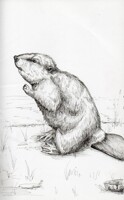
Artwork (Traditional) / Animal related (non-anthro)
Species Bat
Size 793 x 1280
File Size 231.2 kB
Report this content
More from Keida




Listed in Folders


Spirit Guide of the day is Bat! Release the old habits and attachments that no longer serve you in a positive way. You may be facing a challenge that will push you, but work to accept the changes and transform into something better and more spiritually connected. This may include conquering your own fears, but trust in yourself and you will win. Try to social with others such as joining organizations or classes for interaction with others will be beneficial to you right now. The bat guide is known for its connection to transition and initiation. In Babylonia, bats represented the souls of the dead while in China they are seen as symbols of long life and happiness. To the Ancient Mayans, they were seen as signs for initiation and rebirth. Change can be hard to undergo, but the bat spirit guide shows us that change through hardship can bring us to a better state of being. Through the darkness, we can be reborn. Only through our own fears can we find our own strengths. There may be things you need to take responsibility for that you have been neglecting. Look beyond the immediate circumstances in order to see the bigger picture. As bats are the only flying mammals, a study into air elements and flight will be very important to those who feel bat has come to them as a sign. Their echo-location links them to powerful aspects of clairaudience. People who connect with Bat thrive in the company of others and prefer it over solitude. These individuals are gifted with an inner sight earned through many trials and may lean towards shamanic tendencies. This enables them to see what others keep hidden and know what they don't say. These types are able to see past the immediate circumstances into the grand picture of life.
Bats, Chiroptera, are the only mammals capable of true flight. This is enabled by specialized flaps of skin stretched between elongated fingertips. There are over 1,000 various species of Bats that are divided into two types: megabats and microbats. Megabats includes Flying foxes and Old World fruit bats and are known for being larger species. Microbats are generally smaller, but some species will grow larger than their Megabat relatives. The largest bats are the Flying Foxes which grow to have wingspans as long as 6 feet and can weigh up to 2.2 lbs. The largest microbat is the Spectral Bat which has a wing span of 40 inches and weighs up to 6.7 ounces. The smallest bat is the Bumble Bee Bat which only grows to just barely over an inch wide wingspan and weighs less than a gram. These creatures live all over the world excluding Antarctica, the Arctic, and some islands. They will prefer warmer climates closer to the equator, but various species can be found in habitats such as farmland, woods, cities, forests, and mountains. These species, have adapted two forms of dealing with the cold. Some bats are migratory and will simply leave the cold for winter while others will go into a hibernation-like state called torpor where their metabolic rate, breathing, and heart rate are all slowed and their body temperature lowers. In this state, they are able to endure the cold. Bats are very social creatures that live in colonies numbering from 100 to 1,000 individuals. These colonies will roost in any place that offers them shelter from trees and caves to mines and barns. There are even man-made homes called bat boxes that enable bats to have even more safe environments to raise their young and avoid predators. The diet of a bat ranges greatly depending on what species they are. Most bats eat a range of fruits, nectar, small insects, flowers, and leaves. Megabats will generally eat fruits while microbats feed more on insects. Bats are incredibly important for the environment, helping to pollinate fruits and flowers as well as feeding on massive amounts of insects. The Brown Bat can eat up to 1,000 insects in an hour. The horseshoe bat can even hover and pluck insects from spider webs. Some bats will squeeze fruits into their mouths and drink the juices as a technique to feed. Bats are also the only mammals who feed on blood. Only three species of bats drink blood: the Common Vampire bat, the Hairy-legged Vampire bat, and the White-winged vampire bat. They will drink blood mainly from animals such as cattle and deer. It is a myth that they suck blood, however. Vampire bats will make a small V-shaped cut that is not painful at all due to a numbing agent in their saliva. They will lap up a small amount, only about a teaspoon or two at each feeding. The also contain an anticoagulant in their saliva that helps them to drink the blood. this anticoagulant has been used in increasing blood flow in patients with stroke or heart disease. These nocturnal animals will hunt mainly at night. Although bats actually do have amazing sight, they also use echolocation in order to better fly. This technique is where they will make high-frequency yells and analyze whats around them by how the sounds bounce back to them. The angles in which the sound bounces back will tell them the objects size. These unique mammals also have an interesting mating behavior not found in other animals. Bat individuals of both genders will come together in hibernation sites called hibernacula where they will swarm in huge numbers, chasing each other, and performing amazing aerobatics. It is theorized that females will seek out the most agile of males during this, but it is not really known why or how they choose mates. These pairs will leave the swarming group to secluded areas to breed. Mating season occurs in late summer and early autumn and females will give birth to one baby, called a pup. Young bats will nurse from their mother until they are old enough to care for themselves. Mothers and pups will stay in their own groups away from the males where mothers will help to care for each other's pups.
Bats, Chiroptera, are the only mammals capable of true flight. This is enabled by specialized flaps of skin stretched between elongated fingertips. There are over 1,000 various species of Bats that are divided into two types: megabats and microbats. Megabats includes Flying foxes and Old World fruit bats and are known for being larger species. Microbats are generally smaller, but some species will grow larger than their Megabat relatives. The largest bats are the Flying Foxes which grow to have wingspans as long as 6 feet and can weigh up to 2.2 lbs. The largest microbat is the Spectral Bat which has a wing span of 40 inches and weighs up to 6.7 ounces. The smallest bat is the Bumble Bee Bat which only grows to just barely over an inch wide wingspan and weighs less than a gram. These creatures live all over the world excluding Antarctica, the Arctic, and some islands. They will prefer warmer climates closer to the equator, but various species can be found in habitats such as farmland, woods, cities, forests, and mountains. These species, have adapted two forms of dealing with the cold. Some bats are migratory and will simply leave the cold for winter while others will go into a hibernation-like state called torpor where their metabolic rate, breathing, and heart rate are all slowed and their body temperature lowers. In this state, they are able to endure the cold. Bats are very social creatures that live in colonies numbering from 100 to 1,000 individuals. These colonies will roost in any place that offers them shelter from trees and caves to mines and barns. There are even man-made homes called bat boxes that enable bats to have even more safe environments to raise their young and avoid predators. The diet of a bat ranges greatly depending on what species they are. Most bats eat a range of fruits, nectar, small insects, flowers, and leaves. Megabats will generally eat fruits while microbats feed more on insects. Bats are incredibly important for the environment, helping to pollinate fruits and flowers as well as feeding on massive amounts of insects. The Brown Bat can eat up to 1,000 insects in an hour. The horseshoe bat can even hover and pluck insects from spider webs. Some bats will squeeze fruits into their mouths and drink the juices as a technique to feed. Bats are also the only mammals who feed on blood. Only three species of bats drink blood: the Common Vampire bat, the Hairy-legged Vampire bat, and the White-winged vampire bat. They will drink blood mainly from animals such as cattle and deer. It is a myth that they suck blood, however. Vampire bats will make a small V-shaped cut that is not painful at all due to a numbing agent in their saliva. They will lap up a small amount, only about a teaspoon or two at each feeding. The also contain an anticoagulant in their saliva that helps them to drink the blood. this anticoagulant has been used in increasing blood flow in patients with stroke or heart disease. These nocturnal animals will hunt mainly at night. Although bats actually do have amazing sight, they also use echolocation in order to better fly. This technique is where they will make high-frequency yells and analyze whats around them by how the sounds bounce back to them. The angles in which the sound bounces back will tell them the objects size. These unique mammals also have an interesting mating behavior not found in other animals. Bat individuals of both genders will come together in hibernation sites called hibernacula where they will swarm in huge numbers, chasing each other, and performing amazing aerobatics. It is theorized that females will seek out the most agile of males during this, but it is not really known why or how they choose mates. These pairs will leave the swarming group to secluded areas to breed. Mating season occurs in late summer and early autumn and females will give birth to one baby, called a pup. Young bats will nurse from their mother until they are old enough to care for themselves. Mothers and pups will stay in their own groups away from the males where mothers will help to care for each other's pups.
Category Artwork (Traditional) / Animal related (non-anthro)
Species Bat
Size 793 x 1280px
File Size 231.2 kB

Comments