
 FA+
FA+ Shop
Shop
348
Views
Views
5
Favorites
Favorites
Category
Artwork (Traditional) / Animal related (non-anthro)
Species Rhinoceros
Size 781 x 1280
File Size 212.7 kB
Report this content
More from Keida



Listed in Folders


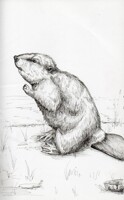
Spirit Guide of the day is Rhino! Now is a time for you to explore solitary activities. Quiet your mind with peaceful and relaxing time on your own. Steer clear of any sort of conflict as you search for calm peace of mind. Use this time to collect as much information on whatever future you may be contemplating before you take the next step. Do not rush forward, but be patient and focus on the process of reaching your goal rather than rushing forward just to complete it. You may come across an item that may hold great importance and mysticism for you. The Rhino guide is known for it's strong connection to ancient wisdom. The specific rhino species will impart knowledge that is best known by research into those specific types. The Rhino teaches us how to be happy in quiet solitude and how to be comfortable with one's self. Any type of horn on an animal is known for it's connection to the divine. The placement of the Rhino's horn on it's nose leads those with this spirit guide to strong senses connected to their olfactory senses. This may be a sign to look deeper at yourself. You may need to use solitude to examine yourself and those around you from a new perspective. The oxpecker bird is important to study for those with this guide due to the strong connection between the Rhino and this bird that helps to pick parasites from the rhino's flesh. People who connect with Rhino are solitary, solid individuals who are not easily shaken by the events around them. These individuals are deeply spiritual with vast knowledge that they prefer to keep hidden rather than flashing it about. They enjoy a quiet personal space and, while sometimes intimidating to others, are timid and peaceful souls.
Rhinoceros, Rhinocerotidae, are large herbivorous mammals consisting of 5 species and 11 subspecies and able to live up to 45 years in the wild. They belong to the odd-toed ungulate group which includes relatives such as zebras and tapirs. The word rhinoceros comes from the Greek "rhino" for nose and "ceros" for horn. These iconic horns are made up of keratin which also makes up human hair and fingernails. A rhino's horn also consists of dense mineral deposits of calcium and melanin. The melanin protects the horn from UV rays while the calcium helps to strengthen the horn. They are similar to turtle beaks and horse hooves. The outside of the horn is actually quite soft and can be worn down or sharpened over the years of use. If broken, they are able to grow back. The keratin in the front of the horn grows faster than that in the back which causes the backward curving arch of a Rhino's horn. The five species of Rhino consist of the: white rhino, black rhino, Javan rhino, Sumatran rhino, and the Indian rhino. The Javan and Indian rhinos only have one horn while black rhinos, white rhinos, and Sumatran rhinos all possess two horns. The largest rhino is the White Rhino which grows to 13 feet long, 6 feet tail, and weighs around 5,000 lbs. There are two subspecies of Rhino, the northern and the southern. Unfortunately, the northern white rhino is considered extinct in the wild. The smallest rhino is the Sumatran rhino which reaches 10 feet long, just under 5 feet tall, and a little under 2,000 lbs in weight. The Southern White rhino is the most abundant rhino subspecies in the wild as of 2013, reaching around 20,000 members. These Rhinos are not actually white, rather, it is theorized that the name is a misunderstanding of the Afrikaans word Wyd or the Dutch word wijd meaning wide and referring to the Rhino's square lips. This species possessed two horns, a prominent muscular hump, and a yellowish brown to slate grey color. The White Rhino and the Black Rhino are both found in the floodplains and grasslands of eastern and southern Africa. The Indian Rhino, or greater one-horned rhino, has a single horn and has wart-like bumps over its upper legs and shoulders. This species can be found in protected areas of India and Nepal. The Javan Rhino is extremely endangered and only around 60 of them exist. These single horned animals can be found solely in Java, Indonesia and are the least known of the species. They actually prefer wetter environments of lowland rain forest, tall grass, or reed beds with plenty of mud wallows. The hairiest of the Rhinos is the Sumatran Rhino found in higher altitudes such as Borneo and Sumatra. Rhinos tend to spend their time grazing for the majority of their time. While all herbivorous, Rhinos have slightly different diets depending on their species. Each one has a differently evolved snout for their preferred food. The Black Rhino will eat from trees and bushes because it's longer lips allows it to pick fruits and leaves from higher areas. Meanwhile, the white rhino has a flat snout perfect for grazing closer to the ground. Sleeping occurs only during the hottest parts of the day. At times, rhinos can be seen rolling, or wallowing, in mud that coats their thick hide and helps to prevent sunburn as well as keeps away insects and parasites. While solitary, rhinos will sometimes form into small groups made up of a female and her offspring called a crash. These females will freely roam throughout many other territories that are ruled over by a single dominant male. At times, the male will allow other males to live in its territory, but only as long as they are submissive to himself. Female rhinos will only reproduce every two and a half to five years to a single baby called a calf. These calves are born an incredible 88 - 140 lbs and will leave it's mother when it is 3 years old.
Rhinoceros, Rhinocerotidae, are large herbivorous mammals consisting of 5 species and 11 subspecies and able to live up to 45 years in the wild. They belong to the odd-toed ungulate group which includes relatives such as zebras and tapirs. The word rhinoceros comes from the Greek "rhino" for nose and "ceros" for horn. These iconic horns are made up of keratin which also makes up human hair and fingernails. A rhino's horn also consists of dense mineral deposits of calcium and melanin. The melanin protects the horn from UV rays while the calcium helps to strengthen the horn. They are similar to turtle beaks and horse hooves. The outside of the horn is actually quite soft and can be worn down or sharpened over the years of use. If broken, they are able to grow back. The keratin in the front of the horn grows faster than that in the back which causes the backward curving arch of a Rhino's horn. The five species of Rhino consist of the: white rhino, black rhino, Javan rhino, Sumatran rhino, and the Indian rhino. The Javan and Indian rhinos only have one horn while black rhinos, white rhinos, and Sumatran rhinos all possess two horns. The largest rhino is the White Rhino which grows to 13 feet long, 6 feet tail, and weighs around 5,000 lbs. There are two subspecies of Rhino, the northern and the southern. Unfortunately, the northern white rhino is considered extinct in the wild. The smallest rhino is the Sumatran rhino which reaches 10 feet long, just under 5 feet tall, and a little under 2,000 lbs in weight. The Southern White rhino is the most abundant rhino subspecies in the wild as of 2013, reaching around 20,000 members. These Rhinos are not actually white, rather, it is theorized that the name is a misunderstanding of the Afrikaans word Wyd or the Dutch word wijd meaning wide and referring to the Rhino's square lips. This species possessed two horns, a prominent muscular hump, and a yellowish brown to slate grey color. The White Rhino and the Black Rhino are both found in the floodplains and grasslands of eastern and southern Africa. The Indian Rhino, or greater one-horned rhino, has a single horn and has wart-like bumps over its upper legs and shoulders. This species can be found in protected areas of India and Nepal. The Javan Rhino is extremely endangered and only around 60 of them exist. These single horned animals can be found solely in Java, Indonesia and are the least known of the species. They actually prefer wetter environments of lowland rain forest, tall grass, or reed beds with plenty of mud wallows. The hairiest of the Rhinos is the Sumatran Rhino found in higher altitudes such as Borneo and Sumatra. Rhinos tend to spend their time grazing for the majority of their time. While all herbivorous, Rhinos have slightly different diets depending on their species. Each one has a differently evolved snout for their preferred food. The Black Rhino will eat from trees and bushes because it's longer lips allows it to pick fruits and leaves from higher areas. Meanwhile, the white rhino has a flat snout perfect for grazing closer to the ground. Sleeping occurs only during the hottest parts of the day. At times, rhinos can be seen rolling, or wallowing, in mud that coats their thick hide and helps to prevent sunburn as well as keeps away insects and parasites. While solitary, rhinos will sometimes form into small groups made up of a female and her offspring called a crash. These females will freely roam throughout many other territories that are ruled over by a single dominant male. At times, the male will allow other males to live in its territory, but only as long as they are submissive to himself. Female rhinos will only reproduce every two and a half to five years to a single baby called a calf. These calves are born an incredible 88 - 140 lbs and will leave it's mother when it is 3 years old.
Category Artwork (Traditional) / Animal related (non-anthro)
Species Rhinoceros
Size 781 x 1280px
File Size 212.7 kB

Comments