
 FA+
FA+ Shop
Shop
536
Views
Views
12
Favorites
Favorites
Category
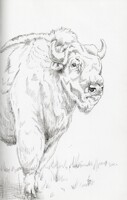
Artwork (Traditional) / Animal related (non-anthro)
Species Lynx
Size 821 x 1280
File Size 223.9 kB
Report this content
More from Keida



Listed in Folders


Spirit Guide of the day is Lynx! Be alert for any deception that may be going on around you and if anyone confides a secret in you, make sure to keep it a secret. You may want to spend some time in silence, possibly out in nature. You will be able to pay stronger attention to your intuitive senses such as clairaudience and clairvoyance to see what may be beyond your immediate environment. Make sure to show your appreciation for others talents that they may only hint at in order to encourage them to strengthen those abilities. You may need patience and determination to keep at your own intended goal, so don't give up if it seems to be taking longer than necessary. The lynx spirit guide is known for it's connection with secrets and seeing beyond the physical. Those who study the lynx should also take time to study the rabbit totem because of the strong connection between predator and prey. The grey color of a lynx reminds many of clouds, hinting at the connection to the heavens and gaining knowledge from what is unseen. In Scandinavian and Norse traditions, the lynx is sacred to Freyja whose chariot was often depicted as being drawn by this animal. The Greeks believed that the lynx could see through solid objects. Those with this guide much be sure to never give out the secrets they perceive or are given. You may gain knowledge about others that you never intended or meant to know, so it is important for these individuals to learn how to keep their knowledge and know when to speak and when to remain silent. Learn to observe the world around you and learn from what you see. People who connected with Lynx are able to see deep into others to perceive their hidden abilities and talents as well as their fears and secrets. These individuals are drawn to shamanic practices and sometimes may make others feel uncomfortable due to their ability to see deeper than what is shown on the outside. Even so, these types are trusted with advice and counsel while enjoying their love for independence. This can sometimes lead to feelings of isolation even if they do love solitude and silence.
Lynx, Felix Lynx, are carnivorous mammals that can live up to 20 years in the wild. These solitary creatures are a part of the feline family and have four subspecies: Canadian Lynx, Iberian Lynx, Eurasian Lynx, and the Bobcat. These four species are identified by their massive paws, short tails, long legs, and their iconic tuft of black fur on the tips of their ears. While some scientists think they are used like whiskers to feel above their heads, others think the growth of hair increased their hearing. The long limbs of this feline help them in their usual habitat of deep snow. Their wide paws work as snowshoes and both features help them to move through their environment easier. They even possess hair on the underside of their broad paws that provides traction on slippery surfaces. The Canadian lynx can be found in Canada as well as northern Us and Alaska and is also known as the North American Lynx. This feline is linked specifically to its main prey: the snowshoe hare. They are so dependent on this species that when the hair population drops, the lynx population lowers as well. The Eurasian lynx is known for a lighter-colored fur that is silky in the winter and shorter, thinner, and darker in the summer. It is the largest and most widespread of the lynx species. They are found in 46 countries in Europe, northern Asia, and the Middle East. These types prefer to eat larger prey of deer, reindeer, and even moose and are known to follow the migratory pattern of these prey species. The subspecies of the Eurasian lynx, the Siberian Lynx, is the largest of all of these felines and can reach up to 84 lbs in weight. The Iberian Lynx is the most rare of all lynx and has evolved entirely separate from the other four species. They are blocked by the Pyrenees Mountains from the other species in Europe and only grow to half the size of their Eurasian lynx counterpart. They have shorter, coarse hair suited to the Mediterranean climate and have the most spots on their coats. While they do feed on rabbits, this species lives in an area where millions of migrating birds will gather each spring and fall which enables them to feast on a wide range of duck and low-flying bird species. The Bobcat, found throughout North America, goes by the additional names of bay lynx, lynx cat, and wildcat. It is North America's most common native cat and looks quite similar to the Canadian lynx. Bobcats are fearless fighters known to never back down from a fight. They possess smaller paws and are the only lynx that does not have the tufts of fur on the underside of their paws. They are less adapted to living in snow, but are able to live in a wider variety of habitats such as swamps, forests, and deserts. They prefer rocky areas that give them shelter from cold or heat. Competition for food and shelter with coyotes is common for these felines. All lynx are normally nocturnal and will hunt mainly at night, particularly in areas near humans. They are most active during dawn and dusk. They hunt using a stalk and ambush technique to sneak up on prey for the final pounce. They prefer not to chase after food and will rather wait until a prime moment when prey is walking past them to pounce. Adult Lynx only come together for breeding and will remain solitary otherwise. Kittens are normally born in the early spring in dens found under tree roots, in rock piles, or under fallen branches. A female will birth one to four kittens and raise them alone. These babies are born blind with folded ears and will grow quickly with plenty of food. Kittens will nurse for up to 5 months before they begin eating solid food. At ten months old, they can fend for themselves but will often stay with their mother for up to a year. Siblings may sometimes remain together for several months after leaving their mother before leaving to find different territories to claim. Lynx do not reach full adulthood until 2 years of age. A mother lynx often purrs while taking care of their young. Lynx can also make a variety of noises often made by domesticated cats such as hisses, spits, yowls, and mewls. During breeding season, they are known to yowl and growl more often. They will communicate with additional scent marks, facial expressions, and ear positions.
Lynx, Felix Lynx, are carnivorous mammals that can live up to 20 years in the wild. These solitary creatures are a part of the feline family and have four subspecies: Canadian Lynx, Iberian Lynx, Eurasian Lynx, and the Bobcat. These four species are identified by their massive paws, short tails, long legs, and their iconic tuft of black fur on the tips of their ears. While some scientists think they are used like whiskers to feel above their heads, others think the growth of hair increased their hearing. The long limbs of this feline help them in their usual habitat of deep snow. Their wide paws work as snowshoes and both features help them to move through their environment easier. They even possess hair on the underside of their broad paws that provides traction on slippery surfaces. The Canadian lynx can be found in Canada as well as northern Us and Alaska and is also known as the North American Lynx. This feline is linked specifically to its main prey: the snowshoe hare. They are so dependent on this species that when the hair population drops, the lynx population lowers as well. The Eurasian lynx is known for a lighter-colored fur that is silky in the winter and shorter, thinner, and darker in the summer. It is the largest and most widespread of the lynx species. They are found in 46 countries in Europe, northern Asia, and the Middle East. These types prefer to eat larger prey of deer, reindeer, and even moose and are known to follow the migratory pattern of these prey species. The subspecies of the Eurasian lynx, the Siberian Lynx, is the largest of all of these felines and can reach up to 84 lbs in weight. The Iberian Lynx is the most rare of all lynx and has evolved entirely separate from the other four species. They are blocked by the Pyrenees Mountains from the other species in Europe and only grow to half the size of their Eurasian lynx counterpart. They have shorter, coarse hair suited to the Mediterranean climate and have the most spots on their coats. While they do feed on rabbits, this species lives in an area where millions of migrating birds will gather each spring and fall which enables them to feast on a wide range of duck and low-flying bird species. The Bobcat, found throughout North America, goes by the additional names of bay lynx, lynx cat, and wildcat. It is North America's most common native cat and looks quite similar to the Canadian lynx. Bobcats are fearless fighters known to never back down from a fight. They possess smaller paws and are the only lynx that does not have the tufts of fur on the underside of their paws. They are less adapted to living in snow, but are able to live in a wider variety of habitats such as swamps, forests, and deserts. They prefer rocky areas that give them shelter from cold or heat. Competition for food and shelter with coyotes is common for these felines. All lynx are normally nocturnal and will hunt mainly at night, particularly in areas near humans. They are most active during dawn and dusk. They hunt using a stalk and ambush technique to sneak up on prey for the final pounce. They prefer not to chase after food and will rather wait until a prime moment when prey is walking past them to pounce. Adult Lynx only come together for breeding and will remain solitary otherwise. Kittens are normally born in the early spring in dens found under tree roots, in rock piles, or under fallen branches. A female will birth one to four kittens and raise them alone. These babies are born blind with folded ears and will grow quickly with plenty of food. Kittens will nurse for up to 5 months before they begin eating solid food. At ten months old, they can fend for themselves but will often stay with their mother for up to a year. Siblings may sometimes remain together for several months after leaving their mother before leaving to find different territories to claim. Lynx do not reach full adulthood until 2 years of age. A mother lynx often purrs while taking care of their young. Lynx can also make a variety of noises often made by domesticated cats such as hisses, spits, yowls, and mewls. During breeding season, they are known to yowl and growl more often. They will communicate with additional scent marks, facial expressions, and ear positions.
Category Artwork (Traditional) / Animal related (non-anthro)
Species Lynx
Size 821 x 1280px
File Size 223.9 kB

Comments