
 FA+
FA+ Shop
Shop
331
Views
Views
5
Favorites
Favorites
Category
Artwork (Traditional) / Animal related (non-anthro)
Species Mammal (Other)
Size 802 x 1280
File Size 183.1 kB
Report this content
More from Keida



Listed in Folders


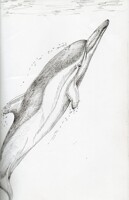
Spirit Guide of the day is Mountain Goat! Trust your senses concerning relationships rather than your mind in this time. Don't keep hurting yourself over something or someone who you can't reach. Rather, spend some time outdoors in nature and ask for support even if you may be afraid to. Keep stepping bit by bit towards your goal and trust that you will be able to get past any obstacles and be able to catch yourself if you slip. Express your increase libido in harmless, creative ways. The Mountain Goat guide is known for its connection with surefootedness and seeking new heights. These animals are adapted perfectly for their extreme high-altitude, mountain home so it is important for those with this spirit guide to research the environment to gain more understanding. They have toes that act like pliers in order to aid their movements up steep ledges. This shows their symbol as a guide for keeping track of yourself and keeping on your goals with slipping. The Mountain Goat links to the astrological sign Capricorn. This spirit guide can mean a time of industry is at hand, although it can also signify when there are problems with being too ambitious. This guide shows us that we can withstand severe conditions to reach our goals and help when we fear slipping. The Mountain Goat helps us to gain perspective and balance. There is no need to rush into new projects, but use this time to start new goals and complete projects. People who connect with Mountain Goat are ambitious, goal-oriented people with a strong work ethic. These individuals are serious, focused, and not intimidated by tasks that may halt others. These souls may sometimes be rather materialistic, however they are able to maintain a constant appreciation and connection with the divine.
Mountain Goat, Oreamnos Americanus, are herbivorous mammals that can live up to 12 years in the wild. Adults can reach over 3 feet in height and weigh as much as 300 lbs. Mountain Goats are also called the Rocky Mountain Goat and live in North America from Alaska to the Rocky Mountains. They prefer a range of mountainous cliff habitats from ocean shores to glaciated mountain tops. These animals are not known as true goats, but are actually members of the goat-antelope family called Rupicaprini belonging to the bovid family. They are related to the Chamois, a species of goat-like animal native to the mountains of Europe and the Middle East. The Mountain Goat is greatly adapted to live in it's extreme cliff habitat. They possess cloven hooves with two toes that can spread wide to gain better purchase on the snowy, steep ledges. These hooves are bottomed with rough pads that provide extra grip. These special hooves help them to be agile, nimble, methodical climbers with the ability to leap up to 12 feet in the air in a single bound. This ability is aided by their muscular legs. A two layered coat of hair consisting of a top layer of coarse, white, shaggy hair over a thick and woolly undercoat helps these animals to survive the frigid mountain cold. A thick beard of hair hangs from their slender faces. This white coat helps to hide them in the snowy mountains and is shed during the summer season. Both genders of Mountain Goat have this thick hair as well as sharp, faintly backward curving, black horns. These animals do not fight by slamming horns and will try to avoid confrontation when possible. When fighting, they will use their sharp horns to stab an opponent, Male goats have even adapted a thick skin as natural armor in order to help protect themselves during fights. A Mountain Goats diet consists of plants such as grasses, herbs, lichens, twins, and other foliage. They have been known to dig out these plants from under deep snow. In the summer, lactating females will unwillingly leave their safe homes to venture down the mountain in search of nutrient rich mineral licks. Inorganic sulfur is essential in the creation of amino acids and methionine in order to help their hair grow back for the winter. Along with others of the Bovid family, these animals are ruminants. This means they possess a multi-chambered stomach to process the plant foods that they will rechew as cud and reswallow to fully digest. Female Mountain Goats will live in small groups while the males are solitary. While females often get along in these groups, they may become territorial during more severe winters. The male Mountain Goats are known to defer dominance to females. They will court a female during the breeding season by crawling towards them and making noises like those of a baby goat. Mating occurs in late November and December after which the females will usually drive the males from their territory. Only one baby is born to each female except for rare occasions where she will have two. These young are called kids and will join a nursery group within a week after birth. These are groups of female and juvenile Mountain Goats numbering from two to over a dozen. The kid will remain with their mother for a year before being driven to find their own territory. It is the female Mountain Goat which is the more aggressive and likely to fight between the two genders. They will often lay claim to a favorable cliff range and readily attack other females or males who come into their wintering territory.
Mountain Goat, Oreamnos Americanus, are herbivorous mammals that can live up to 12 years in the wild. Adults can reach over 3 feet in height and weigh as much as 300 lbs. Mountain Goats are also called the Rocky Mountain Goat and live in North America from Alaska to the Rocky Mountains. They prefer a range of mountainous cliff habitats from ocean shores to glaciated mountain tops. These animals are not known as true goats, but are actually members of the goat-antelope family called Rupicaprini belonging to the bovid family. They are related to the Chamois, a species of goat-like animal native to the mountains of Europe and the Middle East. The Mountain Goat is greatly adapted to live in it's extreme cliff habitat. They possess cloven hooves with two toes that can spread wide to gain better purchase on the snowy, steep ledges. These hooves are bottomed with rough pads that provide extra grip. These special hooves help them to be agile, nimble, methodical climbers with the ability to leap up to 12 feet in the air in a single bound. This ability is aided by their muscular legs. A two layered coat of hair consisting of a top layer of coarse, white, shaggy hair over a thick and woolly undercoat helps these animals to survive the frigid mountain cold. A thick beard of hair hangs from their slender faces. This white coat helps to hide them in the snowy mountains and is shed during the summer season. Both genders of Mountain Goat have this thick hair as well as sharp, faintly backward curving, black horns. These animals do not fight by slamming horns and will try to avoid confrontation when possible. When fighting, they will use their sharp horns to stab an opponent, Male goats have even adapted a thick skin as natural armor in order to help protect themselves during fights. A Mountain Goats diet consists of plants such as grasses, herbs, lichens, twins, and other foliage. They have been known to dig out these plants from under deep snow. In the summer, lactating females will unwillingly leave their safe homes to venture down the mountain in search of nutrient rich mineral licks. Inorganic sulfur is essential in the creation of amino acids and methionine in order to help their hair grow back for the winter. Along with others of the Bovid family, these animals are ruminants. This means they possess a multi-chambered stomach to process the plant foods that they will rechew as cud and reswallow to fully digest. Female Mountain Goats will live in small groups while the males are solitary. While females often get along in these groups, they may become territorial during more severe winters. The male Mountain Goats are known to defer dominance to females. They will court a female during the breeding season by crawling towards them and making noises like those of a baby goat. Mating occurs in late November and December after which the females will usually drive the males from their territory. Only one baby is born to each female except for rare occasions where she will have two. These young are called kids and will join a nursery group within a week after birth. These are groups of female and juvenile Mountain Goats numbering from two to over a dozen. The kid will remain with their mother for a year before being driven to find their own territory. It is the female Mountain Goat which is the more aggressive and likely to fight between the two genders. They will often lay claim to a favorable cliff range and readily attack other females or males who come into their wintering territory.
Category Artwork (Traditional) / Animal related (non-anthro)
Species Mammal (Other)
Size 802 x 1280px
File Size 183.1 kB

Comments