
 FA+
FA+ Shop
Shop
1288
Views
Views
9
Favorites
Favorites
Category
Artwork (Traditional) / Animal related (non-anthro)
Species Aquatic (Other)
Size 807 x 1280
File Size 166.6 kB
Report this content
More from Keida



Listed in Folders


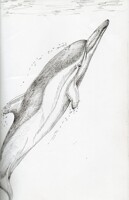
Spirit Guide of the day is Sea Lion! Think about keeping a journal to write your thoughts in for a time of active creativity will be coming soon. This may help to record any of the intense dreams you may be experiencing soon. Let yourself follow how your body feels. If tired, sleep. If hungry, eat. Although remember to stay grounded even while you may be experiencing intense emotions. Let yourself accept a time of abundance coming to you soon. Engage in yoga and playful activities to keep yourself flexible. The Sea Lion guide is known as one for creativity, lucid dreaming, and active imagination. Anyone interested in this spirit guide should take time to research the specific species in order to understand the details of which one works best for them. Being a guide connected with water, they have strong properties aligned with the feminine, emotional, and dream work. They are also connected with that of the Faerie realm, meaning that anyone interested in this totem should take time to learn about the myths of water spirits such as that of the Selkie. These creatures were seals who would come onto shore at night and shed their skins to dance on the land under the moonlight as men and women. People who connect with Sea Lion are creative, imaginative souls that are amazing at channeling their creative gift through multiple ways. These individuals are adaptable and emotional with an outgoing nature that makes it easy for them to help make an social gathering more fun. They are happiest living near water and working in a position that uses their creative personality. These emotional souls can get wrapped up in their expressive emotions, yet still do not let their emotions overtake them.
Sea Lions, Otariinae, are mammals that belong to a group called Pinnipeds. This group includes Sea Lions, Walruses, and Seals. Pinnipeds means "wing foot" or "feather foot". These creatures are marine mammals which spend a large portion of each day in the ocean searching for food. They all have a thick layer of blubber to help keep them warm from the ocean's cold waters and have strong flippers to help them swim. All Pinnipeds use this marine lifestyle to hunt for their favorite food: fish! Sea lions are often mistaken with Seals, although they have many differences between them. Sea lions can be told apart by their external ear flaps which can flatten against their skulls in order to keep water out when they swim. This is aided by the ear holes being positioned downward to help keep water out. Sea Lions have the ability to rotate their hind flippers forward to scoot along rocky shorelines and beaches. Seals, however, do not have this ability and must move on land by wriggling, hunching, or rolling. Sea Lions have six different species: the Steller's or Norther Sea Lion, California Sea Lion, Galapagos Sea Lion, Southern or South American Sea Lion, Australian Sea Lion, and the Hooker's or Aukland Sea Lion also called the New Zealand Sea Lion. The largest of these species is the Steller's Sea Lion which lives along the Central California coast north to the Aleutian Islands and also along the eastern Russian coast south to the South Korea and Japan. The males of this species are three times as large as the females and sport a hairy neck much like a lion's mane. California Sea lions are found often used in 'seal' shows due to their intelligence. They can be found in western North American from southern Canada to mid-Mexico as well as the coasts of Japan, Korea, and the Galapagos Islands. The Southern Sea Lion is a more dark yellow color with a pale gold belly. They have a shorter, wider muzzle than other species and can be found along the western and lower eastern coasts of South America and the Falkland Islands. The Australian Sea lion found on the western and southern coast of Australia have males who possess a beautiful white to yellow mane against a very dark brown body. The New Zealand species is found exclusively on the New Zealand coast, being endangered, and has a black or very dark brown coat. Sea Lions, no matter the species, are wonderfully adapted for their life in the water. They possess a reflective membrane at the back of their eye that acts as a mirror to bounce back what little light their is in the depths of the ocean for better sight. Much like a cat's eye helps them to see in the dark. Their flippers, which support them on land, also help to regulate the sea lion's body temperature. When cold, their specially designed blood vessels found in the thin-skinned flippers will constrict in order to prevent heat loss. On the other hand, the blood flow will be increased when it is hot in order to cool off the sea lion quickly. Sea Lions can often be seen sticking their flippers up into the air through the surface of the water in order to cool off. Their smooth body enables them to dive up to 600 feet into the ocean's depths. They can reach swimming speeds of up to 18 mph in short bursts which helps them to escape predators such as sharks and killer whales. The long whiskers on a Sea lion's upper lip, called Vibrissa, are able to move with the underwater currents in order to help them feel for food swimming near them in the dark waters. The diet of a Sea Lion includes not just fish, but crabs, clams, and squid. All of these foods are swallowed whole, using their flat back teeth to crunch any foods that have a hard shell. While much of their activities happen in the water, reproduction and rest must happen on land. Males, called Bulls, will stake out territory on the shore as well as ice or rocks out in the water. To prepare for breeding season, they will bulk up by gorging themselves on extra food to build their blubber layers. This allows them to live on land for weeks so they can guard their territory and females without needing to leave to hunt. A bull will gather as many females, called cows, as possible into his harem. These family groups can number up to 15 cows and their young. However, many harems will live in the same areas. These gatherings of large groups of Sea Lions are called a Colony and, during the birthing season, these areas are called Rookeries. The only exception would be the Australian Sea Lion who fights other bulls for any female he finds rather than staking out a territory. Female Sea Lions will normally only give birth to one pup per year. These pups are born with open eyes and a long, dense coat of hair called Lanugo that helps keep them warm until they develop their blubber. Mothers will be very attentive to their pups, nursing them with a nutrient rich milk and nuzzling them to show affection. Although awkward at swimming, the pups can walk on land after only 30 minutes old. They will be ready to swim and fish after a few weeks. Nursing will continue until 6 months of age and will stay with their mothers for up to a year.
Sea Lions, Otariinae, are mammals that belong to a group called Pinnipeds. This group includes Sea Lions, Walruses, and Seals. Pinnipeds means "wing foot" or "feather foot". These creatures are marine mammals which spend a large portion of each day in the ocean searching for food. They all have a thick layer of blubber to help keep them warm from the ocean's cold waters and have strong flippers to help them swim. All Pinnipeds use this marine lifestyle to hunt for their favorite food: fish! Sea lions are often mistaken with Seals, although they have many differences between them. Sea lions can be told apart by their external ear flaps which can flatten against their skulls in order to keep water out when they swim. This is aided by the ear holes being positioned downward to help keep water out. Sea Lions have the ability to rotate their hind flippers forward to scoot along rocky shorelines and beaches. Seals, however, do not have this ability and must move on land by wriggling, hunching, or rolling. Sea Lions have six different species: the Steller's or Norther Sea Lion, California Sea Lion, Galapagos Sea Lion, Southern or South American Sea Lion, Australian Sea Lion, and the Hooker's or Aukland Sea Lion also called the New Zealand Sea Lion. The largest of these species is the Steller's Sea Lion which lives along the Central California coast north to the Aleutian Islands and also along the eastern Russian coast south to the South Korea and Japan. The males of this species are three times as large as the females and sport a hairy neck much like a lion's mane. California Sea lions are found often used in 'seal' shows due to their intelligence. They can be found in western North American from southern Canada to mid-Mexico as well as the coasts of Japan, Korea, and the Galapagos Islands. The Southern Sea Lion is a more dark yellow color with a pale gold belly. They have a shorter, wider muzzle than other species and can be found along the western and lower eastern coasts of South America and the Falkland Islands. The Australian Sea lion found on the western and southern coast of Australia have males who possess a beautiful white to yellow mane against a very dark brown body. The New Zealand species is found exclusively on the New Zealand coast, being endangered, and has a black or very dark brown coat. Sea Lions, no matter the species, are wonderfully adapted for their life in the water. They possess a reflective membrane at the back of their eye that acts as a mirror to bounce back what little light their is in the depths of the ocean for better sight. Much like a cat's eye helps them to see in the dark. Their flippers, which support them on land, also help to regulate the sea lion's body temperature. When cold, their specially designed blood vessels found in the thin-skinned flippers will constrict in order to prevent heat loss. On the other hand, the blood flow will be increased when it is hot in order to cool off the sea lion quickly. Sea Lions can often be seen sticking their flippers up into the air through the surface of the water in order to cool off. Their smooth body enables them to dive up to 600 feet into the ocean's depths. They can reach swimming speeds of up to 18 mph in short bursts which helps them to escape predators such as sharks and killer whales. The long whiskers on a Sea lion's upper lip, called Vibrissa, are able to move with the underwater currents in order to help them feel for food swimming near them in the dark waters. The diet of a Sea Lion includes not just fish, but crabs, clams, and squid. All of these foods are swallowed whole, using their flat back teeth to crunch any foods that have a hard shell. While much of their activities happen in the water, reproduction and rest must happen on land. Males, called Bulls, will stake out territory on the shore as well as ice or rocks out in the water. To prepare for breeding season, they will bulk up by gorging themselves on extra food to build their blubber layers. This allows them to live on land for weeks so they can guard their territory and females without needing to leave to hunt. A bull will gather as many females, called cows, as possible into his harem. These family groups can number up to 15 cows and their young. However, many harems will live in the same areas. These gatherings of large groups of Sea Lions are called a Colony and, during the birthing season, these areas are called Rookeries. The only exception would be the Australian Sea Lion who fights other bulls for any female he finds rather than staking out a territory. Female Sea Lions will normally only give birth to one pup per year. These pups are born with open eyes and a long, dense coat of hair called Lanugo that helps keep them warm until they develop their blubber. Mothers will be very attentive to their pups, nursing them with a nutrient rich milk and nuzzling them to show affection. Although awkward at swimming, the pups can walk on land after only 30 minutes old. They will be ready to swim and fish after a few weeks. Nursing will continue until 6 months of age and will stay with their mothers for up to a year.
Category Artwork (Traditional) / Animal related (non-anthro)
Species Aquatic (Other)
Size 807 x 1280px
File Size 166.6 kB

Comments