
 FA+
FA+ Shop
Shop
294
Views
Views
15
Favorites
Favorites
Category
Photography / Animal related (non-anthro)
Species Unspecified / Any
Size 597 x 773
File Size 442.9 kB
Report this content
More from queue



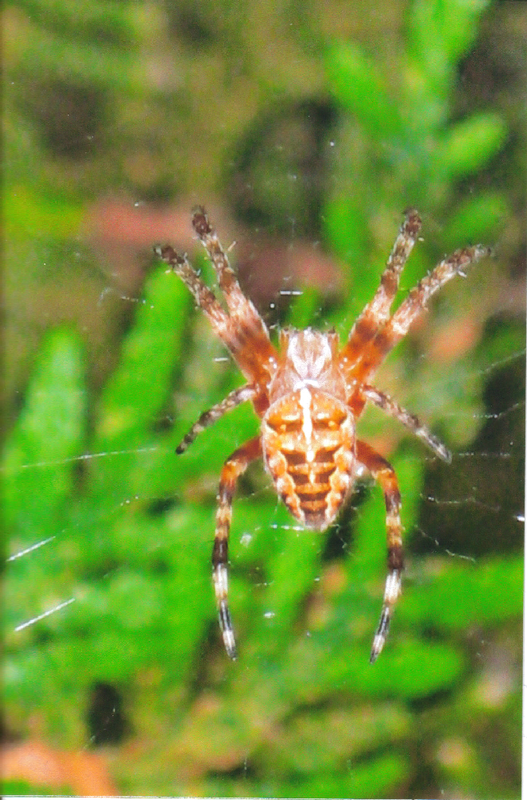
A female and male Nephila clavipes (Golden Silk Orb Weaver).
The female is the larger one.
This web actually had three males in it (as well as two other spiders which I believe may have been the kelptoparsitic Argyrodes).
She is quite well fed (and is actually munching on a fly in this shot). This male was larger than the other two, so he carefully took up his spot closer to her. The other two waited further out, biding their time.
I'm not thrilled on the composition of this shot, but I was able to get them both in the frame. I've been trying not to leave the subject smack in the center of the frame, but it was a bit unavoidable here.
This photo shows off a couple features of Nephila.
First, you'll note the color of the silk, which is where the spider gets its common name from.
This is also a great example of the dramatic sexual dimorphism that is present in this species.
You'll also note that the male is on the opposite side of the web to the female, presumably to allow him easier access to her epigyne (genital opening) for mating and make it less likely she'll grab him for a meal (although I believe this is rare in this spider).
The female is the larger one.
This web actually had three males in it (as well as two other spiders which I believe may have been the kelptoparsitic Argyrodes).
She is quite well fed (and is actually munching on a fly in this shot). This male was larger than the other two, so he carefully took up his spot closer to her. The other two waited further out, biding their time.
I'm not thrilled on the composition of this shot, but I was able to get them both in the frame. I've been trying not to leave the subject smack in the center of the frame, but it was a bit unavoidable here.
This photo shows off a couple features of Nephila.
First, you'll note the color of the silk, which is where the spider gets its common name from.
This is also a great example of the dramatic sexual dimorphism that is present in this species.
You'll also note that the male is on the opposite side of the web to the female, presumably to allow him easier access to her epigyne (genital opening) for mating and make it less likely she'll grab him for a meal (although I believe this is rare in this spider).
Category Photography / Animal related (non-anthro)
Species Unspecified / Any
Size 597 x 773px
File Size 442.9 kB








This really is a beautiful photograph. I live in North Texas, where we have plenty of spiders, but few are as spectacular as this. I've seen the black/white/yellow orb weavers, which can certainly be striking, but this seems to be on another level.
By the way, with all the talk of leg warmers I've started imagining spiders performing a version of that segment from Flashdance.
By the way, with all the talk of leg warmers I've started imagining spiders performing a version of that segment from Flashdance.


Comments